
Journal of Traditional Chinese Medicine ›› 2026, Vol. 46 ›› Issue (3): 768-778.DOI: 10.19852/j.cnki.jtcm.2026.03.017
• Review • Previous Articles
Acupuncture-driven exosomes: an emerging therapy
JIAN Jiawei1,2, DING Zhimin1,2, ZHUANG Yueyang1,2, WANG Junzi1,2, YANG Minguang2, LIU Weilin2( )
)
- 1
College of Rehabilitation Medicine ,Fujian University of Traditional Chinese Medicine Fuzhou 350122, China
2the Institute of Rehabilitation Industry ,Fujian University of Traditional Chinese Medicine Fuzhou 350122, China
-
Received:2025-03-21Accepted:2025-08-14Online:2026-06-15Published:2026-06-08 -
Contact:Prof. LIU Weilin, the Institute of Rehabilitation Industry, Fujian University of Traditional Chinese Medicine, Fuzhou 350122, China. liuweilin12@fjtcm.edu.cn, Telephone: +86-594-1-22861227 -
About author:First author contact:JIAN Jiawei and DING Zhimin are co-first authors and contributed equally to this work
-
Supported by:Fujian Outstanding Youth Science Foundation Project: Research on Electroacupuncture-mediated Regulation of Time-pattern-dependent Synaptic Plasticity in the Hippocampus of Rats with Vascular Cognitive Impairment and Its Mechanisms(2021J06028)

Cite this article
JIAN Jiawei, DING Zhimin, ZHUANG Yueyang, WANG Junzi, YANG Minguang, LIU Weilin. Acupuncture-driven exosomes: an emerging therapy[J]. Journal of Traditional Chinese Medicine, 2026, 46(3): 768-778.
share this article
Table 1 Acupuncture regulates exosome release and expression of its cargoes
| Exosome source | Study | Acupoint | Disease | Active ingredient | Mechanism |
|---|---|---|---|---|---|
| Serum | Liang XS et al 2023 | Jiaji (EX-B2) | Spinal cord injury | - | Inhibit the inflammatory response |
| Kuang HJ et al 2022 | Tianshu (ST25), Dachangshu (BL25) | Slow transit constipation | miR-34c-5p | Stem cell factor/c-kit signaling pathway | |
| Klein JD et al 2018 | Yanglingquan (GB34), Zusanli (ST36) | Normal mice | miR-181 | Increase renal blood flow | |
| Huang Y et al 2021 | Yanglingquan (GB34), Zusanli (ST36) | Normal mice | let-7c-5p | Increase protein synthesis | |
| Liu YP et al 2022 | Huantiao (GB30), Zusanli (ST36) | Peripheral nerve injury | miR-21 | Promote neurite outgrowth | |
| Zhang Q 2020 | Heding (EX-LE2), Neixiyan (EX-LE4), Dubi (ST35), Xuehai (SP10), Liangqiu (ST34), Yinlinquan (SP9), Yanglingquan (GB34), Zusanli (ST36) | Knee osteoarthritis | miR-338-3p, miR-15b-3p, miR-199b-5p, miR-3168, miR-1296-5p | MAPK pathway and apoptosis | |
| Liu L et al 2022 | Baihui (GV20), Shuaigu (GB8), Fengchi (GB20) | Migraine without aura | has-miR-369-5p, has-miR-145-5p, has-miR-5010-3p | - | |
| Liang BX et al 2025 | Neiguan (PC6), Gongsun (SP4) | Coronary atherosclerosis | circ_0001439S | Inhibit lipid deposition | |
| Ling FY 2024 | Neiguan (PC6), Zusanli (ST36), Yinxi (HT6) | Acute myocardial ischemia-percu-taneous coronary intervention | hsa-miR-151b, hsa-miR-4454 | MAPK pathway | |
| Plasma | Ding R et al 2024 | Neiyingxiang (EX-HN9) | Allergic rhinitis | rno-miR-92a-3p, rno-let-7d-3p | MAPK pathway |
| Xu SY et al 2022 | Renzhong (GV26), Baihui (GV20) | Hypoxia-induced human umbilical vein endothelial cells | miR-210 | HIF-1α/VEGF/Notch 1 signal pathway | |
| Shou Y et al 2019 | Zusanli (ST36), Pishu (BL20) | Type 2 diabetes mellitus | circINPP4B | Regulation of thyroid hormone and phosphatidylinositol signaling | |
| Shou Y et al 2025 | Zusanli (ST36), Pishu (BL20) | Type 2 diabetes mellitus | CircEZH1 | Exosomal CircEZH1-mediated β-cell survival and insulin secretion pathway | |
| Hou ZN 2022 | Daimai (GB26), Zhongwan (CV12), Liangmen (ST21), Tianshu (ST25), Daheng (SP15), Shuidao (ST28), Zusanli (ST36), Shangjuxu (ST37), Fenglong (ST40), Zulinqi (GB41) | Abdominal obesity | has-miR-125a-5p, has-miR-361-3p, has-miR-486-5p | p38MAPK/TNF-α pathway | |
| Qin HY 2024 | Quchi (LI11), Sanyinjiao (SP6), Xuehai (SP10) | Urticaria | FcεRI | IgE/FcεRI pathway | |
| Immune cells | Wang K 2023 | Tianshu (ST25), Zusanli (ST36), Taichong (LR3) | Irritable bowel syndrome with diarrhea | miR-22-5p, miR-149-5p | Regulation of tight junction protein expression and repair of intestinal epithelial barrier function |
| Others | Pan Y 2022 | Zigong (EX-CA1), Guanyuan (CV4), Sanyinjiao (SP6) | Intrauterine adhesions | - | Improve endometrial tolerance and promote endometrial repair |
| Zou Y et al 2021 | Feishu (BL13), Zusanli (ST36) | Chronic obstructive pulmonary disease | - | Inhibition of NLRP3 inflammatory vesicles | |
| Zhang SH et al 2020 | Quchi (LI11), Zusanli (ST36) | Ischemic stroke | miR-146b | Promoting differentiation of endogenous neural stem cells |
Table 1 Acupuncture regulates exosome release and expression of its cargoes
| Exosome source | Study | Acupoint | Disease | Active ingredient | Mechanism |
|---|---|---|---|---|---|
| Serum | Liang XS et al 2023 | Jiaji (EX-B2) | Spinal cord injury | - | Inhibit the inflammatory response |
| Kuang HJ et al 2022 | Tianshu (ST25), Dachangshu (BL25) | Slow transit constipation | miR-34c-5p | Stem cell factor/c-kit signaling pathway | |
| Klein JD et al 2018 | Yanglingquan (GB34), Zusanli (ST36) | Normal mice | miR-181 | Increase renal blood flow | |
| Huang Y et al 2021 | Yanglingquan (GB34), Zusanli (ST36) | Normal mice | let-7c-5p | Increase protein synthesis | |
| Liu YP et al 2022 | Huantiao (GB30), Zusanli (ST36) | Peripheral nerve injury | miR-21 | Promote neurite outgrowth | |
| Zhang Q 2020 | Heding (EX-LE2), Neixiyan (EX-LE4), Dubi (ST35), Xuehai (SP10), Liangqiu (ST34), Yinlinquan (SP9), Yanglingquan (GB34), Zusanli (ST36) | Knee osteoarthritis | miR-338-3p, miR-15b-3p, miR-199b-5p, miR-3168, miR-1296-5p | MAPK pathway and apoptosis | |
| Liu L et al 2022 | Baihui (GV20), Shuaigu (GB8), Fengchi (GB20) | Migraine without aura | has-miR-369-5p, has-miR-145-5p, has-miR-5010-3p | - | |
| Liang BX et al 2025 | Neiguan (PC6), Gongsun (SP4) | Coronary atherosclerosis | circ_0001439S | Inhibit lipid deposition | |
| Ling FY 2024 | Neiguan (PC6), Zusanli (ST36), Yinxi (HT6) | Acute myocardial ischemia-percu-taneous coronary intervention | hsa-miR-151b, hsa-miR-4454 | MAPK pathway | |
| Plasma | Ding R et al 2024 | Neiyingxiang (EX-HN9) | Allergic rhinitis | rno-miR-92a-3p, rno-let-7d-3p | MAPK pathway |
| Xu SY et al 2022 | Renzhong (GV26), Baihui (GV20) | Hypoxia-induced human umbilical vein endothelial cells | miR-210 | HIF-1α/VEGF/Notch 1 signal pathway | |
| Shou Y et al 2019 | Zusanli (ST36), Pishu (BL20) | Type 2 diabetes mellitus | circINPP4B | Regulation of thyroid hormone and phosphatidylinositol signaling | |
| Shou Y et al 2025 | Zusanli (ST36), Pishu (BL20) | Type 2 diabetes mellitus | CircEZH1 | Exosomal CircEZH1-mediated β-cell survival and insulin secretion pathway | |
| Hou ZN 2022 | Daimai (GB26), Zhongwan (CV12), Liangmen (ST21), Tianshu (ST25), Daheng (SP15), Shuidao (ST28), Zusanli (ST36), Shangjuxu (ST37), Fenglong (ST40), Zulinqi (GB41) | Abdominal obesity | has-miR-125a-5p, has-miR-361-3p, has-miR-486-5p | p38MAPK/TNF-α pathway | |
| Qin HY 2024 | Quchi (LI11), Sanyinjiao (SP6), Xuehai (SP10) | Urticaria | FcεRI | IgE/FcεRI pathway | |
| Immune cells | Wang K 2023 | Tianshu (ST25), Zusanli (ST36), Taichong (LR3) | Irritable bowel syndrome with diarrhea | miR-22-5p, miR-149-5p | Regulation of tight junction protein expression and repair of intestinal epithelial barrier function |
| Others | Pan Y 2022 | Zigong (EX-CA1), Guanyuan (CV4), Sanyinjiao (SP6) | Intrauterine adhesions | - | Improve endometrial tolerance and promote endometrial repair |
| Zou Y et al 2021 | Feishu (BL13), Zusanli (ST36) | Chronic obstructive pulmonary disease | - | Inhibition of NLRP3 inflammatory vesicles | |
| Zhang SH et al 2020 | Quchi (LI11), Zusanli (ST36) | Ischemic stroke | miR-146b | Promoting differentiation of endogenous neural stem cells |
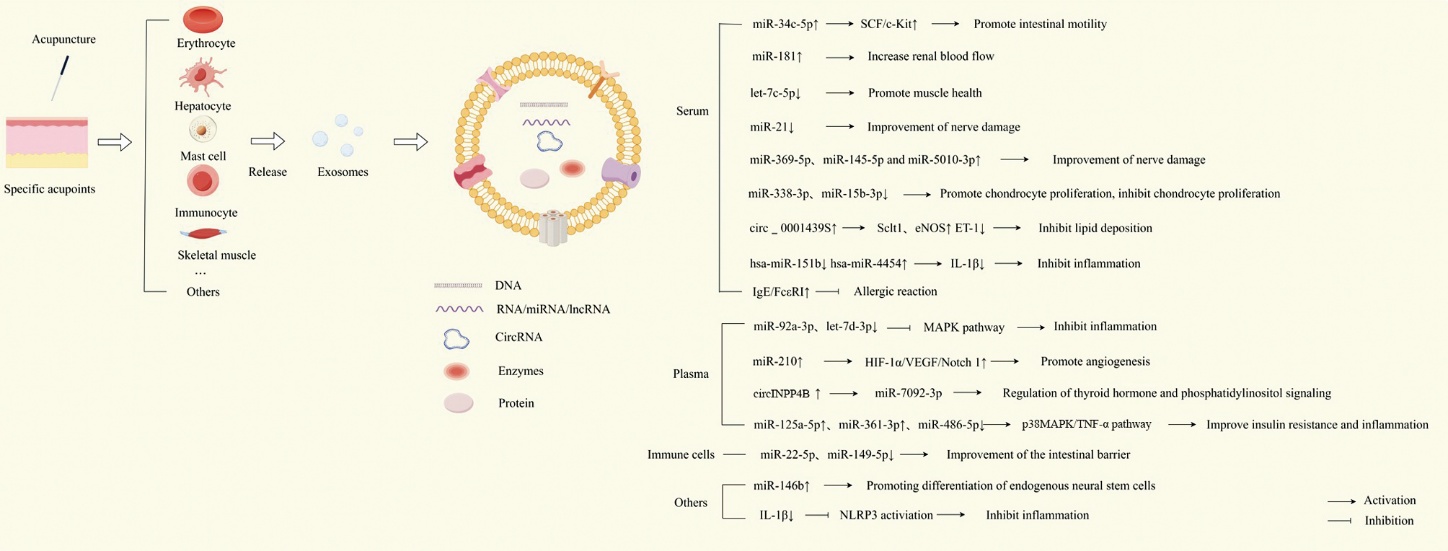
Figure 1 Acupuncture regulates exosome release and expression of its cargoes SCF: stem cell factor; Sclt1: sodium channel and clathrin linker 1; eNOS: endothelial nitric oxide synthase; ET-1: endothelin-1; IL-1β: interleukin-1 beta; MAPK: mitogen-activated protein kinase; HIF-1α: hypoxia-inducible factor 1-alpha; VEGF: vascular endothelial growth factor; TNF-α: tumour necrosis factor-alpha; FcεRI: Fc epsilon RI; IgE: immunoglobulin E; NLRP3: NOD-like receptor thermal protein domain associated protein 3. Figure created with Figdraw (www.figdraw.com).
Figure 1 Acupuncture regulates exosome release and expression of its cargoes SCF: stem cell factor; Sclt1: sodium channel and clathrin linker 1; eNOS: endothelial nitric oxide synthase; ET-1: endothelin-1; IL-1β: interleukin-1 beta; MAPK: mitogen-activated protein kinase; HIF-1α: hypoxia-inducible factor 1-alpha; VEGF: vascular endothelial growth factor; TNF-α: tumour necrosis factor-alpha; FcεRI: Fc epsilon RI; IgE: immunoglobulin E; NLRP3: NOD-like receptor thermal protein domain associated protein 3. Figure created with Figdraw (www.figdraw.com).
Table 2 Acu-exo as monotherapy for disease treatment
| Study | Acupoint | Disease | Acu-exo | |||
|---|---|---|---|---|---|---|
| Source | Administration | Concentration | Dosage | |||
| Zhang JY et al 2023 | Zusanli (ST36) | Sepsis | Normal mice | ip | 0.4 mg/mL | 0.1 mL/10 g |
| Yang KJ et al 2022 | Zusanli (ST36), Huantiao (GB30) | Adjuvant arthritis | Normal rat | Articular injection | 2.6 mg/mL | 0.1 mL |
| Xu SY et al 2022 | Renzhong (GV26), Baihui (GV20) | Cerebral ischemia-reperfusion | MCAO | icv | / | 20 μL |
| Chen Yet al 2024 | Zusanli (ST36) | Sepsis-cardiomyopathy | Normal mice | ip | / | 4 mg/kg |
| Shan K et al 2021 | Zusanli (ST36) | Hypoxic | Normal mice | ip | 0.4 mg/ mL | 0.1 mL/10 g |
Table 2 Acu-exo as monotherapy for disease treatment
| Study | Acupoint | Disease | Acu-exo | |||
|---|---|---|---|---|---|---|
| Source | Administration | Concentration | Dosage | |||
| Zhang JY et al 2023 | Zusanli (ST36) | Sepsis | Normal mice | ip | 0.4 mg/mL | 0.1 mL/10 g |
| Yang KJ et al 2022 | Zusanli (ST36), Huantiao (GB30) | Adjuvant arthritis | Normal rat | Articular injection | 2.6 mg/mL | 0.1 mL |
| Xu SY et al 2022 | Renzhong (GV26), Baihui (GV20) | Cerebral ischemia-reperfusion | MCAO | icv | / | 20 μL |
| Chen Yet al 2024 | Zusanli (ST36) | Sepsis-cardiomyopathy | Normal mice | ip | / | 4 mg/kg |
| Shan K et al 2021 | Zusanli (ST36) | Hypoxic | Normal mice | ip | 0.4 mg/ mL | 0.1 mL/10 g |
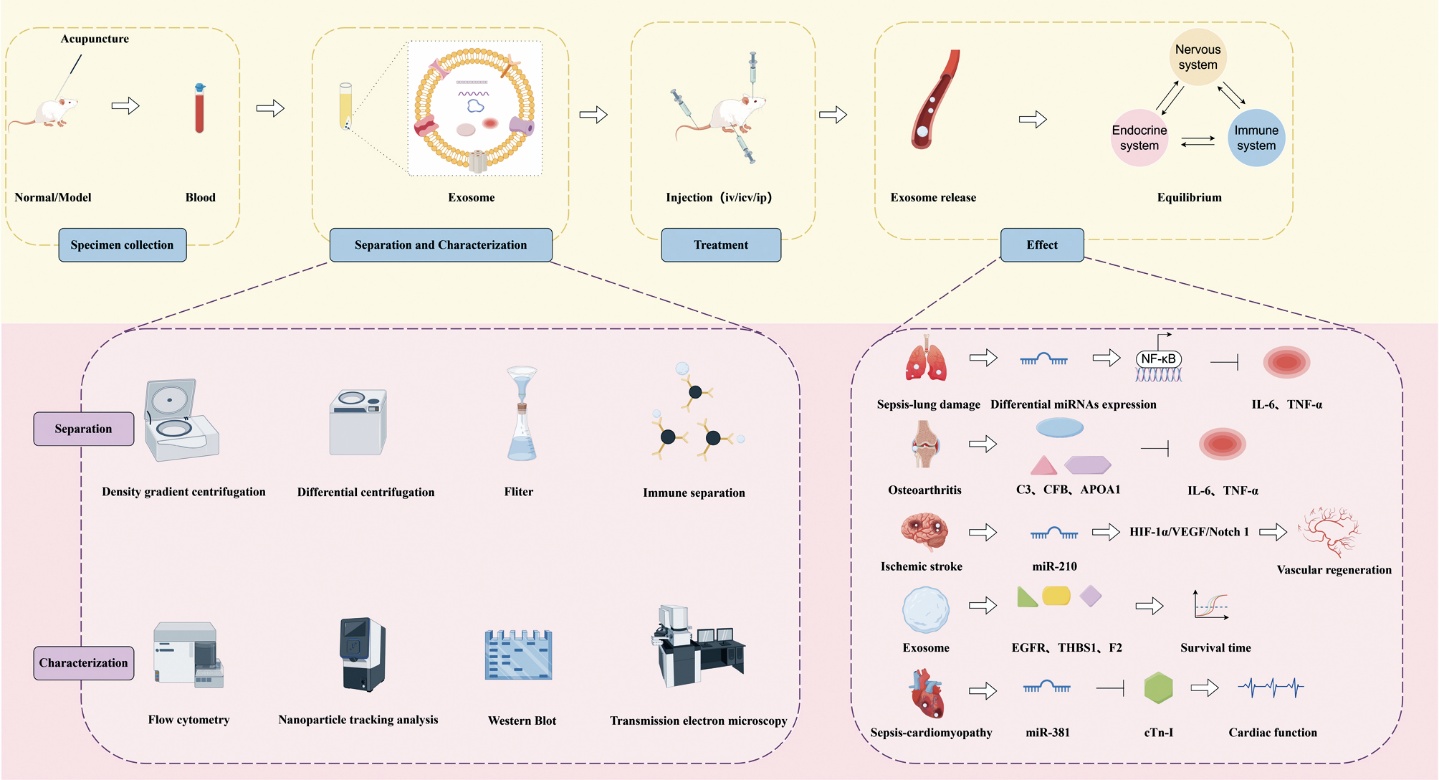
Figure 2 Isolation, extraction, characterization, and application of Acu-exo IL-6: interleukin-6; TNF-α: tumour necrosis factor-alpha; C3: complement 3; CFB: complement factor B; APOA1: apolipoprotein A1; HIF-1α: hypoxia-inducible factor 1-alpha; VEGF: vascular endothelial growth factor; EGFR: epidermal growth factor receptor; THBS1: thrombospondin 1; F2: coagulation factor Ⅱ; cTn-1: cardiac troponin I. Figure created with Figdraw (www.figdraw.com).
Figure 2 Isolation, extraction, characterization, and application of Acu-exo IL-6: interleukin-6; TNF-α: tumour necrosis factor-alpha; C3: complement 3; CFB: complement factor B; APOA1: apolipoprotein A1; HIF-1α: hypoxia-inducible factor 1-alpha; VEGF: vascular endothelial growth factor; EGFR: epidermal growth factor receptor; THBS1: thrombospondin 1; F2: coagulation factor Ⅱ; cTn-1: cardiac troponin I. Figure created with Figdraw (www.figdraw.com).
| 1. |
Lee IS, Chae Y. Exploring acupuncture actions in the body and brain. J Acupunct Meridian Stud 2022; 15: 157-62.
DOI URL |
| 2. |
Kaptchuk TJ. Acupuncture: theory, efficacy, and practice. Ann Intern Med 2002; 136: 374-83.
DOI PMID |
| 3. | Lu LM, Zhang YQ, Ge SQ, et al. Evidence mapping and overview of systematic reviews of the effects of acupuncture therapies. BMJ Open 2022; 12: e056803. |
| 4. |
Xu ZJ, Zeng SS, Gong ZC, Yan YL. Exosome-based immunotherapy: a promising approach for cancer treatment. Mol Cancer 2020; 19: 160.
DOI PMID |
| 5. |
Zhang L, Yu DH. Exosomes in cancer development, metastasis, and immunity. Biochim Biophys Acta Rev Cancer 2019; 1871: 455-68.
DOI URL |
| 6. |
Noonin C, Thongboonkerd V. Exosome-inflammasome crosstalk and their roles in inflammatory responses. Theranostics 2021; 11: 4436-51.
DOI PMID |
| 7. | Hade MD, Suire CN, Suo Z. Mesenchymal stem cell-derived exosomes: applications in regenerative medicine. Cells 2021; 10: 1959. |
| 8. |
Chen B, Li MY, Guo Y, Zhao X, Lim HC. Mast cell-derived exosomes at the stimulated acupoints activating the neuro-immune regulation. Chin J Integr Med 2017; 23: 878-80.
DOI PMID |
| 9. | Zhang SH, Jin TT, Wang LL, et al. Electro-acupuncture promotes the differentiation of endogenous neural stem cells via exosomal microRNA 146b after ischemic stroke. Front Cell Neurosci 2020; 14: 223. |
| 10. | Kuang HJ, Zhang CS, Zhang W, et al. Electroacupuncture improves intestinal motility through exosomal miR-34c-5p targeting SCF/c-Kit signaling pathway in slow transit constipation model rats. Evid Based Complement Alternat Med 2022; 2022: 8043841. |
| 11. | Klein JD, Wang XH. Electrically stimulated acupuncture increases renal blood flow through exosome-carried miR-181. Am J Physiol Renal Physiol 2018; 315: F1542-f9. |
| 12. |
Liu YP, Yang YD, Mou FF, et al. Exosome-mediated miR-21 was involved in the promotion of structural and functional recovery effect produced by electroacupuncture in sciatic nerve injury. Oxid Med Cell Longev 2022; 2022: 7530102.
DOI URL |
| 13. | Li NC, Guo Y, Chen B, et al. “Acupuncture network drug” — transformation and application strategies of exosomes based on characteristics of network regulation of acupuncture therapy. Zhen Ci Yan Jiu 2021; 46: 464-8. |
| 14. |
He CJ, Zheng S, Luo Y, Wang B. Exosome theranostics: biology and translational medicine. Theranostics 2018; 8: 237-55.
DOI PMID |
| 15. |
Doyle LM, Wang MZ. Overview of extracellular vesicles, their origin, composition, purpose, and methods for exosome isolation and analysis. Cells 2019; 8: 727.
DOI URL |
| 16. |
Yang DB, Zhang WH, Zhang HY, et al. Progress, opportunity, and perspective on exosome isolation-efforts for efficient exosome-based theranostics. Theranostics 2020; 10: 3684-707.
DOI URL |
| 17. |
Wu XX, Showiheen SAA, Sun AR, et al. Exosomes extraction and identification. Methods Mol Biol 2019; 2054: 81-91.
DOI PMID |
| 18. | Kalluri R, LeBleu VS. The biology, function, and biomedical applications of exosomes. Science 2020; 367: eaau6977. |
| 19. |
Krylova SV, Feng D. The machinery of exosomes: biogenesis, release, and uptake. Int J Mol Sci 2023; 24: 1337.
DOI URL |
| 20. |
Soares Martins T, Trindade D, Vaz M, et al. Diagnostic and therapeutic potential of exosomes in Alzheimer's disease. J Neurochem 2021; 156: 162-81.
DOI URL |
| 21. |
Han C, Yang J, Sun J, Qin G. Extracellular vesicles in cardiovascular disease: biological functions and therapeutic implications. Pharmacol Ther 2022; 233: 108025.
DOI URL |
| 22. |
Zhang TK, Fang YH, Wang LL, Gu L, Tang JS. Exosome and exosomal contents in schizophrenia. J Psychiatr Res 2023; 163: 365-71.
DOI PMID |
| 23. |
Lee YJ, Shin KJ, Jang HJ, et al. GPR143 controls ESCRT-dependent exosome biogenesis and promotes cancer metastasis. Dev Cell 2023; 58: 320-34.e8.
DOI URL |
| 24. | Xi XM, Xia SJ, Lu R. Drug loading techniques for exosome-based drug delivery systems. Pharmazie 2021; 76: 61-7. |
| 25. |
NIN consensus development panel on acupuncture. Acupuncture. JAMA 1998; 280: 1518-24.
DOI URL |
| 26. | Chen Y. Study on potential therapeutic diseases and the law of network regulation of acupuncture based on proteomics of serum exosome combined with complex network analysis. Tianjin: Tianjin University of Traditional Chinese Medicine, 2020: 1-102. |
| 27. |
Besedovsky H, Sorkin E. Network of immune-neuroendocrine interactions. Clin Exp Immunol 1977; 27: 1-12.
PMID |
| 28. | Cui JW, Song WR, Jin YP, et al. Research progress on the mechanism of the acupuncture regulating neuro-endocrine-immune network system. Vet Sci 2021; 8: 149. |
| 29. |
Tian JQ, Han ZP, Song DD, et al. Engineered exosome for drug delivery: recent development and clinical applications. Int J Nanomedicine 2023; 18: 7923-40.
DOI URL |
| 30. | Yang KJ, Li NC, Chen B, et al. Study on action rule of serum exosome (Acu-exo) in normal rats after acupuncture based on complex network analysis. Zhong Guo Mian Yi Xue Za Zhi 2023; 39: 1633-40. |
| 31. |
Li NC, Li MY, Lu ZX et al. Exosome is an important novel way of acupuncture information transmission. World J Tradit Chin Med 2020; 6: 377-83.
DOI URL |
| 32. | Li NC, Lü ZX, Chen ZL, et al. Discussion on the role of exosomes in the transformation from physical information to chemical information in acupuncture point area. Zhong Hua Zhong Yi Yao Za Zhi 2022; 37: 6087-90. |
| 33. | Guo JZ, Yang L. Positive impact and mechanism research of serum exosomes in wound healing of burn mice. Guangzhou Yi Yao 2019; 50: 69-71. |
| 34. |
Skrabanek P. Acupuncture and endorphins. Lancet 1984; 1: 220.
PMID |
| 35. |
Fan Y, Kim DH, Gwak YS, et al. The role of substance P in acupuncture signal transduction and effects. Brain Behav Immun 2021; 91: 683-94.
DOI PMID |
| 36. | Liang XS, Ning BL, Wu Q, Yan LD, Zhou P, Fu WB. Effects of electroacupuncture on the expression of serum exosomes and pro-inflammatory factors in spinal cord of rats with spinal cord injury. Zhen Ci Yan Jiu 2023; 48: 192-8. |
| 37. | Liang BX, Wang D, Ma X, Fan WB. Mechanism of acupuncture at Neiguan (PC6) and Gongsun (SP4) on the expression of Sclt1, ET-1 and eNOS in rats with coronary atherosclerosis via regulating the expression of circulating exosomal circ_0001439S. Liaoning Zhong Yi Yao Da Xue Xue Bao 2025; 27: 165-75. |
| 38. |
Huang Y, Yu MS, Kuma A, et al. Downregulation of let-7 by electrical acupuncture increases protein synthesis in mice. Front Physiol 2021; 12: 697139.
DOI URL |
| 39. | Li MY, Wang TT, B C, et al. The effect of electroacupuncture at Zusanli-Huantiao acupoints on the expression of serum exosomes of rats in different states. Shanxi Zhong Yi 2019; 40: 139-42. |
| 40. | Zhang Q. Mechanism of acupuncture for knee osteoarthritis based onexosomal microRNA expression. Sichuan: Chengdu University of Traditional Chinese Medicine, 2020: 1-112. |
| 41. | Ling FY. Acupuncture as adjunctive therapy for AMI-PCI patients:a study onclinical efficacy and differentially expressed exosomal. Sichuan: Chengdu University of Traditional Chinese Medicine, 2024: 1-108. |
| 42. |
Liu L, Qi WC, Wang YN, et al. Circulating exosomal microRNA profiles in migraine patients receiving acupuncture treatment: a placebo-controlled clinical trial. Front Mol Neurosci 2022; 15: 1098766.
DOI URL |
| 43. | Ding R, Liu Z, Wang J, Xia T, Li L. Mechanism of needling EX-HN9 in treating AR based on exosomal miRNA. Zhen Jiu Lin Chuang Za Zhi 2024; 40: 64-72. |
| 44. |
Xu SY, Ni SM, Zeng CL, Peng YJ. Electro-acupuncture promotes angiogenesis via exosomal miR-210 in the hypoxia-induced HUVECs mediated HIF-1α/VEGF/Notch 1 signal pathway. Curr Neurovasc Res 2022; 19: 406-17.
DOI URL |
| 45. | Shou Y, Hu L, Zhang WB, Gao Y, Xu P, Zhang BM. Determination of electroacupuncture effects on circRNAs in plasma exosomes in diabetic mice: an RNA-sequencing approach. Evid Based Complement Alternat Med 2019; 2019: 7543049. |
| 46. |
Shou Y, Jiang JT, Hu JL, et al. Electroacupuncture alleviates type 2 diabetes mellitus by promoting plasma-derived exosomal circular RNA of enhancer of zeste homolog 1 expression. J Tradit Chin Med 2025; 45: 1228-37.
DOI |
| 47. | Hou ZN. Exploring the mechanism of tonic band vein acupuncture in the treatment of abdominal obesity based on plasma exosomal miRNAs. Beijing: Beijing University of Chinese Medicine, 2022: 1-116. |
| 48. | Wang K. Mechanisms of mast cell-derived exosome mieroRNA regulation by electroacupuncture to improve the intestinal epithelial barrier in lBS-D rats. Sichuan: Chengdu University of Traditional Chinese Medicine, 2023: 1-165. |
| 49. | Pan Y. Therapeutic effeet of electroacupuneture on intrauterineadhesion by regulating endometrial stem cell exosomes. Nanjing: Nanjing University of Chinese Medicine, 2022: 1-43. |
| 50. |
Zou Y, Bhat OM, Yuan X, et al. Release and actions of inflammatory exosomes in pulmonary emphysema: potential therapeutic target of acupuncture. J Inflamm Res 2021; 14: 3501-21.
DOI PMID |
| 51. |
Zhang JY, Wang MJ, Hu XY, et al. Electroacupuncture-driven endogenous circulating serum exosomes as a potential therapeutic strategy for sepsis. Chin Med 2023; 18: 106.
DOI |
| 52. |
Chen Y, Chen SL, Zhang JY, et al. Electroacupuncture pre-treatment exerts a protective effect on LPS-induced cardiomyopathy in mice through the delivery of miR-381 via exosomes. Biochim Biophys Acta Mol Basis Dis 2024; 1870: 167208.
DOI URL |
| 53. | Yang KJ. A study on the efficacy law and mechanism of injection in the joint cavity of normal rats electroacupuncture serum exosomes (Acu-exo) in adjuvant arthritis rat. Tianjin: Tianjin University of Traditional Chinese Medicine, 2022: 1-115. |
| 54. | Qin HY. Study on mechanism of exosome FcεRI binding to freeIgE by electroacupuncture to inhibit type I allergicreaction of urticaria. Sichuan: Chengdu University of Traditional Chinese Medicine, 2024: 1-124. |
| 55. |
Xu SY, Zeng CL, Ni SM, Peng YJ. The angiogenesis effects of electro-acupuncture treatment via exosomal miR-210 in cerebral ischemia-reperfusion rats. Curr Neurovasc Res 2022; 19: 61-72.
DOI URL |
| 56. | Shan K. A preliminary study on the effect and mechanismof serum exosomes of into normal mice afteracupuncture (Acu-Exo) on the survival time of hypoxic mice. Tianjin: Tianjin University of Traditional Chinese Medicine, 2021: 1-114. |
| 57. | Haqqani AS, Delaney CE, Tremblay TL, Sodja C, Sandhu JK, Stanimirovic DB. Method for isolation and molecular characterization of extracellular microvesicles released from brain endothelial cells. Fluids Barriers CNS 2013; 10: 4. |
| 58. |
Zhang J, Buller BA, Zhang ZG, et al. Exosomes derived from bone marrow mesenchymal stromal cells promote remyelination and reduce neuroinflammation in the demyelinating central nervous system. Exp Neurol 2022; 347: 113895.
DOI URL |
| 59. | Hill ML, Chung SJ, Woo HJ, et al. Exosome-coated prussian blue nanoparticles for specific targeting and treatment of glioblastoma. ACS Appl Mater Interfaces 2024; 16: 20286-301. |
| 60. |
Zhang W, Wan Z, Qu D, et al. Profibrogenic macrophage-targeted delivery of mitochondrial protector via exosome formula for alleviating pulmonary fibrosis. Bioact Mater 2024; 32: 488-501.
DOI PMID |
| 61. |
Xie RX, Zeng XB, Yan H, Huang XP, Deng CQ. Effects and mechanisms of exosomes from different sources in cerebral ischemia. Cells 2022; 11: 3623.
DOI URL |
| 62. |
Lyu Q, Zhou X, Shi LQ, et al. Exosomes may be the carrier of acupuncture treatment for major depressive disorder. Front Behav Neurosci 2023; 17: 1107265.
DOI URL |
| 63. | Zhuo XM, Wang MJ, Zhang JY, et al. Effect of exosomes on inhibiting inflammatory response andimproving survival rate of septic mice by electroacupuncture. Zhong Guo Mian Yi Xue Za Zhi 2023; 39: 973-7. |
| [1] | LU Xiaoxiao, XU Yipeng, ZHOU Minjie, ZHANG Chengshun, CAI Dingjun, ZHAO Zhengyu. Role of gamma-aminobutyric acid-ergic neurons in the thalamic reticular nucleus in regulating sleep-wake cycles in mice treated with acupuncture for insomnia [J]. Journal of Traditional Chinese Medicine, 2026, 46(3): 552-560. |
| [2] | QU Yuanyuan, FENG Chuwen, SUN Weibo, SHAO Yuying, LU Jing, GUO Shuhao, LI Binbin, YANG Tiansong. Effect of “Tongdu Yupi Tiaoshen” electroacupuncture on behavioral performance and hippocampal structure and function in chronic fatigue syndrome rats [J]. Journal of Traditional Chinese Medicine, 2026, 46(3): 605-616. |
| [3] | WANG Xin, CAO Xue, QIN Yuning, SUN Minglin, YUE Lihong, TIAN Yukun, WANG Guangjun, LIU Xinglong, WANG Zirong, Labasangzhu , LIU Jia. Effect of electro-thumbtack needles on symptoms during high-altitude exposure: a pilot, single-blind, randomized, controlled study [J]. Journal of Traditional Chinese Medicine, 2026, 46(3): 674-683. |
| [4] | SONG Ying, YOU Yalin, LIAO Yiru, HU Luodan, WANG Danna, NIE Guangning. Cheek acupuncture therapy combined with Chinese herbal medicine for female chronic pelvic pain: a retrospective study [J]. Journal of Traditional Chinese Medicine, 2026, 46(3): 726-732. |
| [5] | LIN Kaifeng, ZENG Zhongliao, SUN Yan, SUN Fangzhou, ZHANG Han, SUN Jing, JIANG Ling, Jeffrey D. Deng, LI Min, LIANG Bocheng. Traditional Chinese Medicine for the prevention and treatment of adolescent idiopathic scoliosis: scientific understanding and a multimodal therapeutic approach [J]. Journal of Traditional Chinese Medicine, 2026, 46(3): 745-756. |
| [6] | MIN Zeting, XU Qianqian, SHI Mengqiong, GUO Wei, ZHANG Jihong, CHEN Maohua, XU Jie, HU Huiquan, ZHOU Gang, TANG Haiming. A comprehensive review on chemical structure, quality control, pharmacological effects, and structure-activity relationship of saponins from Zhuzishen (Rhizoma Panacis Majoris) [J]. Journal of Traditional Chinese Medicine, 2026, 46(3): 757-767. |
| [7] | WANG Xuehui, SUN Yuxin, Birling Yoann, LI Xun, ZHAO Ruotong, ZHENG Youyou, SONG Zhenmei, ZHANG Yanli, DU Hongbo, WANG Jianyun, LI Yinqing, LIU Zhaolan, LIU Jianping. A Meta-analysis of Traditional Chinese Medicine constitution distribution in people with functional constipation [J]. Journal of Traditional Chinese Medicine, 2026, 46(2): 261-273. |
| [8] | ZHUANG Zifeng, WO Choying, CHEN Hongling, XIE Hailiang, ZHAO Canghuan, ZHANG Di, QING Peng. Acupuncture inhibits astrocytic hyperactivation via the p38 mitogen-activated protein kinase/mitogen- and stress-activated protein kinase 1 signaling pathway in cerebral ischemia-reperfusion injury [J]. Journal of Traditional Chinese Medicine, 2026, 46(2): 316-325. |
| [9] | LI Yuejie, YANG Guang, LIU Luping, YANG Jingwen, LIU Cunzhi. Impact of body mass index on the efficacy of acupuncture treatment of postprandial distress syndrome: secondary analysis of a randomized clinical trial [J]. Journal of Traditional Chinese Medicine, 2026, 46(2): 439-446. |
| [10] | LI Kexin, YANG Jinzu, XIAO Kunlin, DUAN Shaojie, XIAO Kunmin. Tongue-coating microbiome as a predictor of solid tumors: an updated scoping review of clinical studies [J]. Journal of Traditional Chinese Medicine, 2026, 46(2): 501-508. |
| [11] | Masoumeh Amiri, Mozafar Khazaei, Tayebeh Sadat Tabatabai, Leila Rezakhani. Therapeutic potential of garlic-derived exosome like nanovesicles: challenge and opportunity [J]. Journal of Traditional Chinese Medicine, 2026, 46(2): 509-516. |
| [12] | LIN Lixia, LI Xin, LI Ling, YANG Pu, LU Liming, LIU Buping, SU Shengyong. Multiple acupuncture and moxibustion therapies for allergic rhinitis in adults: a network Meta-analysis of randomized controlled trials [J]. Journal of Traditional Chinese Medicine, 2026, 46(1): 1-13. |
| [13] | YUAN Menghua, SHAO Jianbin, YANG Yawei, ZHAO Yan, HU Xingang. Combined acupuncture and herb treatment improves intestinal flora inabdominally obese subjects based on 16s rRNA sequencing: a randomized controlled trial [J]. Journal of Traditional Chinese Medicine, 2026, 46(1): 205-210. |
| [14] | YANG Wu, LI Yinghui, LIAO Heng, XIONG Shangbin. Molecular landscape of Berberine's therapeutic potential in gastrointestinal disorders [J]. Journal of Traditional Chinese Medicine, 2026, 46(1): 245-256. |
| [15] | Hyungsun Jun, Nahyun Cho, Wonbae Ha, Junghan Lee, Mi Mi Ko, Young-Eun Kim, Jeeyoun Jung, Jungtae Leem. Key elements for screening kidney deficiency pattern in Traditional Chinese and Korean Medicine: a systematic review and Delphi study [J]. Journal of Traditional Chinese Medicine, 2025, 45(6): 1169-1177. |
| Viewed | ||||||
|
Full text |
|
|||||
|
Abstract |
|
|||||