
Journal of Traditional Chinese Medicine ›› 2026, Vol. 46 ›› Issue (2): 401-410.DOI: 10.19852/j.cnki.jtcm.2026.02.012
• Original Articles • Previous Articles Next Articles
Efficacy and safety of Yi’anning pills (益安宁丸) for stable angina pectoris in coronary heart disease with Qi-blood and liver-kidney deficiency syndrome: a multicenter, randomized, double-blind, superiority clinical trial
LI Shuning1, LIU Hongxu2( ), LAI Xiaolei2(), SHANG Juju2, XING Wenlong2, ZHANG Heyi1
- 1
Beijing Hospital of Traditional Chinese Medicine ,Capital Medical University Beijing 100010, China
2Department of Cardiovascular ,Beijing Hospital of Traditional Chinese Medicine, Capital Medical University Beijing 100010, China
-
Received:2025-07-27Accepted:2025-11-21Online:2026-04-15Published:2026-04-04 -
Contact:Prof. LIU Hongxu, Department of Cardiovascular Disease, Beijing Hospital of Traditional Chinese Medicine, Capital Medical University, Beijing 100010, China. lhx_@263.net; Telephone: +86-13501161583; Prof. LAI Xiaolei, Department of Cardiovascular Disease, Beijing Hospital of Traditional Chinese Medicine, Capital Medical University, Beijing 100010, China. laixiaolei@bjzhongyi.com; Telephone: +86-13581561063 -
Supported by:Program of Discipline Backbone of high-level Public Health Talents of Beijing Municipal Health Commission: Epidemiological Survey of Acute Myocardial Infarction Inpatients in Hospital of Traditional Chinese Medicine in Beijing Area(Discipline backbone-02-25);Beijing Municipal Hospital Administration Green Seedling Talent Project: Study on Characteristics of Clinical Syndromes, Status of Traditional Chinese Medicine Treatment and Prognosis of Patients with Chronic Heart Failure in Traditional Chinese Medicine Regional Health Service Center(QML20231006)

Cite this article
LI Shuning, LIU Hongxu, LAI Xiaolei, SHANG Juju, XING Wenlong, ZHANG Heyi. Efficacy and safety of Yi’anning pills (益安宁丸) for stable angina pectoris in coronary heart disease with Qi-blood and liver-kidney deficiency syndrome: a multicenter, randomized, double-blind, superiority clinical trial[J]. Journal of Traditional Chinese Medicine, 2026, 46(2): 401-410.
share this article
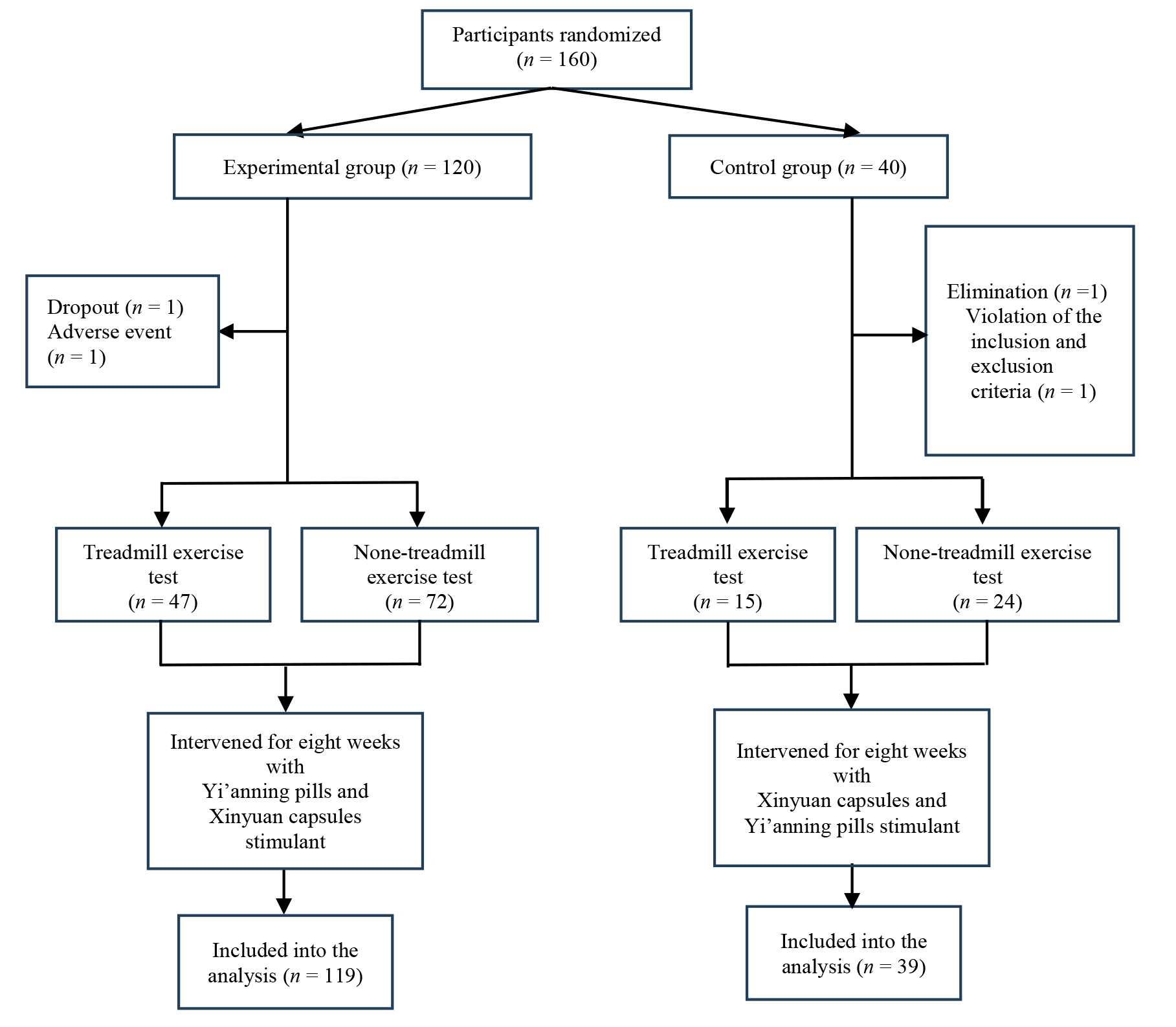
Figure 1 Randomization and analysis population
Figure 1 Randomization and analysis population
Table 1 Baseline demographic and clinical characteristics of the experimental group and the control group ($\stackrel{-}{x} $± s)
| Item | Experimental group | Control group | P value | ||
|---|---|---|---|---|---|
| Men [n (%)]a | 83 (69.70) | 35 (89.70) | 0.0115f | ||
| Age (years)a | 58.20±8.38 | 57.10±7.49 | 0.3366g | ||
| Height (cm)a | 166.99±8.24 | 169.49±7.57 | 0.2074g | ||
| Weight (kg)a | 70.92±9.67 | 71.18±10.23 | 0.8852h | ||
| Had a clear history of old myocardial infarction, or PCI history, or bypass surgery history [n (%)]a | 51 (42.90) | 18 (46.20) | 0.7187i | ||
| Coronary angiography (results indicating at least one coronary artery stenosis with lumen stenosis ≥50%) or coronary CTA indicating lumen stenosis ≥50% [n (%)]a | 48 (40.30) | 19 (48.70) | 0.3580i | ||
| Results of exercise electrocardiogram examination support the diagnosis of coronary heart disease (male only) [n (%)]a | 22 (18.50) | 7 (17.90) | 0.9399i | ||
| Dynamic changes in electrocardiogram support angina pectoris attacks [n (%)]a | 6 (5.00) | 1 (2.60) | 1.0000f | ||
| Combined medication [n (%)]a | 99 (83.20) | 30 (76.90) | 0.3800i | ||
| Had pre-study medications and other treatments [n (%)]a | 115 (96.60) | 36 (92.30) | 0.3650f | ||
| Total score of SAQ (point) | 50.89±8.01 | 52.02±6.93 | 0.4323h | ||
| Individual score of SAQ (point)a | Degree of physical activity limitation | 49.49±12.18 | 49.00±10.95 | 0.9339g | |
| Stable state of angina pectoris | 50.21±6.09 | 51.28±8.01 | 0.4366g | ||
| Frequency of angina pectoris attacks | 62.27±13.56 | 64.62±12.74 | 0.2868g | ||
| Degree of treatment satisfaction | 55.51±15.04 | 55.66±13.69 | 1.0000g | ||
| Degree of disease awareness | 36.97±18.90 | 39.53±18.21 | 0.6362g | ||
| Treadmill exercise test | Termination time of exercise (s)b | 477.93±170.09 | 485.31±128.30 | 0.8854h | |
| METb | 6.89±2.38 | 7.16±2.27 | 0.6724g | ||
| Duration of ST segment depression ≥0.1mv (horizontal or downward-sloping type) (s)c | 323.41±158.79 | 288.13±99.55 | 0.5544h | ||
| Duration of restrictive angina pectoris attack (s)d | 299.37±126.59 | 493.33±128.77 | 0.0230h | ||
| Amplitude of maximum ST segment depression on electrocardiogram (mv)e | 0.16±0.09 | 0.11±0.07 | 0.1586g | ||
| RPPb | 207.88±47.82 | 199.19±37.74 | 0.4814g | ||
| Level of Duke treadmill score [n (%)]b | 46 | 13 | 0.4992f | ||
| low-risk | 10 (21.70) | 3 (23.10) | |||
| medium-risk | 29 (63.00) | 10 (76.90) | |||
| high-risk | 7 (15.20) | 0 (0.00) | |||
| Maximum exercise heart rate (bpm)b | 139.43±27.81 | 132.15±26.50 | 0.5400g | ||
| Maximum exercise blood pressure (mm Hg)b | 152.70±18.87 | 154.15±19.86 | 0.8087h | ||
| Number of nitroglycerin taken (tablets/one week)a | 0.85±1.38 | 0.67±1.30 | 0.4484g | ||
Table 1 Baseline demographic and clinical characteristics of the experimental group and the control group ($\stackrel{-}{x} $± s)
| Item | Experimental group | Control group | P value | ||
|---|---|---|---|---|---|
| Men [n (%)]a | 83 (69.70) | 35 (89.70) | 0.0115f | ||
| Age (years)a | 58.20±8.38 | 57.10±7.49 | 0.3366g | ||
| Height (cm)a | 166.99±8.24 | 169.49±7.57 | 0.2074g | ||
| Weight (kg)a | 70.92±9.67 | 71.18±10.23 | 0.8852h | ||
| Had a clear history of old myocardial infarction, or PCI history, or bypass surgery history [n (%)]a | 51 (42.90) | 18 (46.20) | 0.7187i | ||
| Coronary angiography (results indicating at least one coronary artery stenosis with lumen stenosis ≥50%) or coronary CTA indicating lumen stenosis ≥50% [n (%)]a | 48 (40.30) | 19 (48.70) | 0.3580i | ||
| Results of exercise electrocardiogram examination support the diagnosis of coronary heart disease (male only) [n (%)]a | 22 (18.50) | 7 (17.90) | 0.9399i | ||
| Dynamic changes in electrocardiogram support angina pectoris attacks [n (%)]a | 6 (5.00) | 1 (2.60) | 1.0000f | ||
| Combined medication [n (%)]a | 99 (83.20) | 30 (76.90) | 0.3800i | ||
| Had pre-study medications and other treatments [n (%)]a | 115 (96.60) | 36 (92.30) | 0.3650f | ||
| Total score of SAQ (point) | 50.89±8.01 | 52.02±6.93 | 0.4323h | ||
| Individual score of SAQ (point)a | Degree of physical activity limitation | 49.49±12.18 | 49.00±10.95 | 0.9339g | |
| Stable state of angina pectoris | 50.21±6.09 | 51.28±8.01 | 0.4366g | ||
| Frequency of angina pectoris attacks | 62.27±13.56 | 64.62±12.74 | 0.2868g | ||
| Degree of treatment satisfaction | 55.51±15.04 | 55.66±13.69 | 1.0000g | ||
| Degree of disease awareness | 36.97±18.90 | 39.53±18.21 | 0.6362g | ||
| Treadmill exercise test | Termination time of exercise (s)b | 477.93±170.09 | 485.31±128.30 | 0.8854h | |
| METb | 6.89±2.38 | 7.16±2.27 | 0.6724g | ||
| Duration of ST segment depression ≥0.1mv (horizontal or downward-sloping type) (s)c | 323.41±158.79 | 288.13±99.55 | 0.5544h | ||
| Duration of restrictive angina pectoris attack (s)d | 299.37±126.59 | 493.33±128.77 | 0.0230h | ||
| Amplitude of maximum ST segment depression on electrocardiogram (mv)e | 0.16±0.09 | 0.11±0.07 | 0.1586g | ||
| RPPb | 207.88±47.82 | 199.19±37.74 | 0.4814g | ||
| Level of Duke treadmill score [n (%)]b | 46 | 13 | 0.4992f | ||
| low-risk | 10 (21.70) | 3 (23.10) | |||
| medium-risk | 29 (63.00) | 10 (76.90) | |||
| high-risk | 7 (15.20) | 0 (0.00) | |||
| Maximum exercise heart rate (bpm)b | 139.43±27.81 | 132.15±26.50 | 0.5400g | ||
| Maximum exercise blood pressure (mm Hg)b | 152.70±18.87 | 154.15±19.86 | 0.8087h | ||
| Number of nitroglycerin taken (tablets/one week)a | 0.85±1.38 | 0.67±1.30 | 0.4484g | ||
Table 2 Analysis of changes in the individual SAQ scores from baseline (points, $\stackrel{-}{x} $± s)
| Item | Experimental group | Control group | P value |
|---|---|---|---|
| Degree of physical activity limitationa | 12±11 | 8±8 | 0.0422b |
| Stable state of angina pectorisa | 47±11 | 38±23 | 0.0002b |
| Frequency of angina pectoris attacksa | 28±17 | 18±12 | 0.0019b |
| Degree of treatment satisfactiona | 21±20 | 17±18 | 0.1480b |
| Degree of disease awarenessa | 29±21 | 21±23 | 0.0581b |
Table 2 Analysis of changes in the individual SAQ scores from baseline (points, $\stackrel{-}{x} $± s)
| Item | Experimental group | Control group | P value |
|---|---|---|---|
| Degree of physical activity limitationa | 12±11 | 8±8 | 0.0422b |
| Stable state of angina pectorisa | 47±11 | 38±23 | 0.0002b |
| Frequency of angina pectoris attacksa | 28±17 | 18±12 | 0.0019b |
| Degree of treatment satisfactiona | 21±20 | 17±18 | 0.1480b |
| Degree of disease awarenessa | 29±21 | 21±23 | 0.0581b |
Table 3 Analysis of changes in the treadmill exercise test from baseline ($\stackrel{-}{x}$ ± s)
| Item | Experimental group | Control group | P value | |
|---|---|---|---|---|
| Termination time of exercise (s)a | -14.23±136.42 | 52.43±153.57 | 0.5892g | |
| METb | 0.49±2.07 | 0.63±1.80 | 0.8924g | |
| Duration of ST segment depression ≥ 0.1 mv (horizontal or downward-sloping type)c | -78.00±103.32 | -46.00±214.00 | 0.9114g | |
| Amplitude of maximum ST segment depression on electrocardiogram (mv)d | 0.01±0.09 | -0.02±0.06 | 0.3936h | |
| RPPb | 3.21±69.95 | -10.65±66.35 | 0.4625g | |
| Maximum exercise heart rate (bpm)b | 6.29±23.41 | -16.00±39.99 | 0.0592g | |
| Maximum exercise blood pressure (mm Hg)b | -3.31±28.38 | 10.18±13.50 | 0.1193g | |
| Duration of restrictive angina pectoris attack (s)e | -35.83±163.09 | 250.67±96.44 | 0.0284h | |
| Level of Duke treadmill score Duke [n (%)]b | 1.0000i | |||
| Low-risk | 16 (38.10) | 4 (36.40) | ||
| Medium-risk | 23 (54.80) | 7 (63.60) | ||
| High-risk | 3 (7.10) | 0 (0.00) | ||
| Conversion rate to a negative treadmill exercise test result after treatment [n (%)]b | 7 (16.70) | 4 (36.40) | 0.2104i | |
| Angina-free rate after treatmentt [n (%)]f | 11 (64.70) | 0 (0.00) | 0.0737i |
Table 3 Analysis of changes in the treadmill exercise test from baseline ($\stackrel{-}{x}$ ± s)
| Item | Experimental group | Control group | P value | |
|---|---|---|---|---|
| Termination time of exercise (s)a | -14.23±136.42 | 52.43±153.57 | 0.5892g | |
| METb | 0.49±2.07 | 0.63±1.80 | 0.8924g | |
| Duration of ST segment depression ≥ 0.1 mv (horizontal or downward-sloping type)c | -78.00±103.32 | -46.00±214.00 | 0.9114g | |
| Amplitude of maximum ST segment depression on electrocardiogram (mv)d | 0.01±0.09 | -0.02±0.06 | 0.3936h | |
| RPPb | 3.21±69.95 | -10.65±66.35 | 0.4625g | |
| Maximum exercise heart rate (bpm)b | 6.29±23.41 | -16.00±39.99 | 0.0592g | |
| Maximum exercise blood pressure (mm Hg)b | -3.31±28.38 | 10.18±13.50 | 0.1193g | |
| Duration of restrictive angina pectoris attack (s)e | -35.83±163.09 | 250.67±96.44 | 0.0284h | |
| Level of Duke treadmill score Duke [n (%)]b | 1.0000i | |||
| Low-risk | 16 (38.10) | 4 (36.40) | ||
| Medium-risk | 23 (54.80) | 7 (63.60) | ||
| High-risk | 3 (7.10) | 0 (0.00) | ||
| Conversion rate to a negative treadmill exercise test result after treatment [n (%)]b | 7 (16.70) | 4 (36.40) | 0.2104i | |
| Angina-free rate after treatmentt [n (%)]f | 11 (64.70) | 0 (0.00) | 0.0737i |
| 1. | Wang J, Chen G. Expert consensus on diagnosis and treatment of stable angina pectoris in coronary heart disease with Traditional Chinese Medicine. Zhong Yi Za Zhi 2018; 59: 447-50. |
| 2. | Chinese Medical Association, Chinese Medical Association Press, General Practice Branch of Chinese Medical Association, etc. Guidelines for primary care diagnosis and treatment of stable coronary heart disease (2020). Zhong Hua Quan Ke Yi Shi Za Zhi 2021; 20: 265-73. |
| 3. | Summary of Chinese cardiovascular health and disease report 2024. Zhong Guo Xun Huan Za Zhi 2025; 40: 521-59. |
| 4. |
de Koning IA, Heutinck JM, Vromen T, et al. Cardiac rehabilitation vs percutaneous coronary intervention for stable angina pectoris: a retrospective study of effects on major adverse cardiovascular events and associated healthcare costs. Eur J Prev Cardiol 2024; 31: 1987-90.
DOI PMID |
| 5. |
Xiao J, Wu BX, Lin MY, Zhong BY, Lin LQ, Xu DP. Clinical efficacy and gene chip expression analysis of Shenzhu Guanxin recipe granules in patients with intermediate coronary lesions. J Tradit Chin Med 2024; 44: 545-53.
DOI |
| 6. |
Wang ZB, Li Y, Wang DP, et al. Proteomics analysis of coronary atherosclerotic heart disease with different Traditional Chinese Medicine syndrome types before and after percutaneous coronary intervention. J Tradit Chin Med 2024; 44: 554-63.
DOI |
| 7. | Wu HL, Li XM, Luo WJ, et al. Randomized controlled clinical study of Deng's Guanxin capsules in the treatment of stable angina pectoris of coronary heart disease. Zhong Yi Za Zhi 2006; 1: 24-7. |
| 8. | Bi YF, Mao JY, Wang XL, et al. Thoughts on the clinical advantages of Traditional Chinese Medicine in the prevention and treatment of coronary heart disease and related efficacy evaluation. Zhong Yi Za Zhi 2015; 56: 437-40. |
| 9. | Liu J, Li DD, Dong W, et al. Detection of an anti-angina therapeutic module in the effective population treated by a multi-target drug Danhong injection: a randomized trial. Signal Transduct Target Ther 2021; 6: 329. |
| 10. | Zhang QH, Li HX. Clinical observation of 60 cases of angina pectoris in coronary heart disease treated with Yi’anning. Yi Nan Bing Za Zhi 2006; 6: 411-4. |
| 11. | Jin X, Wu BX, Wu HL, Xu DP. Effectiveness of Shenshu Guanxin recipe granules for improving exercise tolerance in patients with stable angina pectoris: a randomized, double-blind, placebo-controlled trial. J Tradit Chin Med 2023; 43: 1227-33. |
| 12. | Interventional Cardiology Group, Cardiovascular Branch of Chinese Medical Association; Atherosclerosis and Coronary Heart Disease Group, Cardiovascular Branch of Chinese Medical Association; Thrombosis Prevention and Treatment Professional Committee, Cardiovascular Internal Medicine Physicians Branch of Chinese Medical Doctor Association, etc. Guidelines for the diagnosis and treatment of stable coronary heart disease. Zhong Hua Xin Xue Guan Bing Za Zhi 2018; 46: 680-94. |
| 13. | National Medical Products Administration.Technical guidelines for clinical research of new symptomatic Traditional Chinese Medicines. 2018-11-01, cited 2025-07-20; 1 screen. Available from URL: https://www.nmpa.gov.cn/xxgk/ggtg/ypggtg/ypqtggtg/20181106155701473.html. |
| 14. |
Campeau L. Letter: Grading of angina pectoris. Circulation 1976; 54: 522-3.
PMID |
| 15. | National Medical Products Administration.Guiding principles for the protection of Traditional Chinese Medicine varieties (2009). 2009-02-03, cited 2025-07-20; 4 screens. Available from URL: https://www.nmpa.gov.cn/xxgk/fgwj/gzwj/gzwjyp/20090203120001961_3.html. |
| 16. | Zhang YP. Jin Gui Yao Lue. Fuzhou: Fujian Science and Technology Publishing House, 2011: 35. |
| 17. | Zhang JY (Ming dynasty). Jing Yue Quan Shu. Beijing: People's Medical Publishing House, 1991: 1242. |
| 18. | Chen Y, Xiao X, Xu X, Zhang Z, Deng Y. Traditional Chinese Medicine in the prevention and treatment of stable angina pectoris in patients with coronary heart disease based on the theory of "phlegm and blood stasis" under guidance of evidence-based medicine: a prospective cohort study. J Tradit Chin Med 2021; 41: 150-6. |
| 19. |
Luan F, Zou J, Zhang X, et al. The extraction, purification, structural features, bioactivities, and applications of Schisandra chinensis polysaccharides: a review. Int J Biol Macromol 2024; 262: 130030.
DOI URL |
| 20. |
Wu Y, Ding C, Liu C, et al. Schisandrol A, the major active constitute in schisandra chinensis: a review of its preparation, biological activities, and pharmacokinetics analysis. Am J Chin Med 2024; 52: 717-52.
DOI URL |
| 21. |
Wang D, Zhang X, Bian Z, et al. Multiple fingerprinting and cardioprotective activity of salvia miltiorrhiza polysaccharides. Int J Biol Macromol 2025; 306: 141468.
DOI URL |
| 22. | Yan J, Cai QQ, Li Y, Zhang HM, Zhang FB. Network pharmacology and molecular docking explore mechanism of Croci Stigma in treating immune checkpoint inhibitor-associated myocarditis. Zhong Guo Zhong Yao Za Zhi 2025; 50: 2515-25. |
| 23. |
Xia W, Sun C, Zhao Y, Wu L. Hypolipidemic and antioxidant activities of Sanchi (Radix Notoginseng) in rats fed with a high fat diet. Phytomedicine 2011; 18: 516-20.
DOI PMID |
| 24. |
Lei W, Yan Y, Ma Y, et al. Notoginsenoside R1 regulates ischemic myocardial lipid metabolism by activating the AKT/mTOR signaling pathway. Front Pharmacol 2022; 13: 905092.
DOI URL |
| [1] | HU Wenyue, ZHONG Biying, WANG Zhenyi, ZHANG Meng, CHANG Ze, TAN Xi, HAN Zhenyun. Efficacy of Traditional Chinese Medicine psychosomatic integration therapy for subthreshold depression: a multicenter randomized controlled trial [J]. Journal of Traditional Chinese Medicine, 2026, 46(2): 392-400. |
| [2] | XU Huanfang, LI Jiashan, YANG Li, WU Wenzhong, YANG Jun, ZHANG Wei, LI Hui, QU Nini, WANG Rui, WANG Landi, YANG Hongzhi, ZHANG Lihua, HE Yong, XIONG Guanyu, LIU Baoyan, FANG Yigong. Effect of point application therapy for bronchial asthma: a multicenter randomized controlled trial [J]. Journal of Traditional Chinese Medicine, 2026, 46(1): 195-204. |
| [3] | YUAN Menghua, SHAO Jianbin, YANG Yawei, ZHAO Yan, HU Xingang. Combined acupuncture and herb treatment improves intestinal flora inabdominally obese subjects based on 16s rRNA sequencing: a randomized controlled trial [J]. Journal of Traditional Chinese Medicine, 2026, 46(1): 205-210. |
| [4] | LI Jiansheng, WANG Haifeng, ZHANG Kang, XIE Kai, LI Suyun, ZHANG Chenxi, ZHANG Yaqing. Traditional Chinese Medicine treatment with syndrome differentiation for patients with severe community-acquired pneumonia: a multicenter, randomized, placebo-controlled trial [J]. Journal of Traditional Chinese Medicine, 2025, 45(6): 1376-1384. |
| [5] | ZHANG Yibao, CHEN Feng, SUN Meng, WANG Zhenwei, TANG Binqing, QIAN Yechang, JIA Wei, BAO Yufang, LI Wenjie, LI Shanqun, ZHANG Wei. Dongtian Changchun ointment (洞天长春膏) for moderate-to-severe chronic obstructive pulmonary disease: a multicenter, prospective, open-label, randomized controlled trial [J]. Journal of Traditional Chinese Medicine, 2025, 45(6): 1395-1404. |
| [6] | ZHANG Xiaosi, ZHANG Shuangyuan, CHEN Hanqing, LIN Zhengdao, XIE Chune, LI Junxiang, LI Xiaohong. Hewei Jiangni recipe (和胃降逆方) improved the quality of life in patients with cold-heat mixed nonerosive reflux disease: a randomized, double-blinded study [J]. Journal of Traditional Chinese Medicine, 2025, 45(5): 1106-1118. |
| [7] | HAO Shulan, NAN Peng, LIU Likun, LI Xiaoli, ZHONG Qiming, GAO Yu, WANG Xixing, NIE Yingfang. Effectiveness of Yiqi Chupi powder (益气除疲散) for alleviating cancer-related fatigue in patients following colorectal cancer surgery: a randomized controlled trial [J]. Journal of Traditional Chinese Medicine, 2025, 45(5): 1119-1126. |
| [8] | GUO Jixing, JI Changchun, XIE Chaoju, RAO Xiang, SUN Zhangyin, XING Yu, ZHANG Rongni, QU Qiangqiang, DONG Youpeng, YANG Jinsheng. Various acupuncture therapies for managing nonspecific low back pain: a network Meta-analysis [J]. Journal of Traditional Chinese Medicine, 2025, 45(5): 954-962. |
| [9] | CHEN Ziying, ZHAO Xiaoping, FAN Xiaoxuan, TANG Didi, SUN Wen, LYU Jing, HUANG Lan, QI Fan. Seven Traditional Chinese Medicine external treatments combined with rehabilitation training on the functional recovery of limbs in patients with cerebral hemorrhage: a network Meta-analysis [J]. Journal of Traditional Chinese Medicine, 2025, 45(4): 711-719. |
| [10] | ZHAO Weibo, WANG Yaqi, KONG Lingyao, WANG Tianyi, ZHAO Haihong, ZHANG Ying, LUO Bin, WANG Ji, WANG Qi. Efficacy and safety of Tuomin Zhiti decoction (脱敏止嚏汤) on patients with seasonal allergic rhinitis: a randomized, double-blind, placebo-controlled trial [J]. Journal of Traditional Chinese Medicine, 2025, 45(4): 829-835. |
| [11] | LI Yuxuan, LI Yan, WANG Wujiao, CUI Xiaoyun, WAN Jie, ZHOU Kun, LU Jinjin, LIU Jing, LIN Qian, LI Dong. Clinical study of Yiqi Liangxue Shengji prescription (益气凉血生肌方) for improving cardiac function after myocardial ischemia reperfusion injury in patients with acute myocardial infarction: a randomized, double-blind, placebo-controlled trial [J]. Journal of Traditional Chinese Medicine, 2025, 45(4): 836-844. |
| [12] | ZHENG Ruwen, DONG Xu, WANG Tianyi, FENG Liyuan, ZHANG Hongyan, HUO Hong, ZHANG Ying, ZHANG Qianshi, ZHU Xingyan, WANG Dongyan. Electroacupuncture versus conventional acupuncture of scalp motor area for post-stroke wrist dyskinesia and its effect on muscle function: a randomized, controlled clinical trial [J]. Journal of Traditional Chinese Medicine, 2025, 45(4): 852-859. |
| [13] | XIAO Jing, SONG Danlei, LIANG Caiming, HE Yinuo, ZHENG Weifang, WU Xiaqiu. Efficacy of Jianpi formulas (健脾剂) in reducing the recurrence of colorectal adenoma after polypectomy: a systematic review and Meta-analysis [J]. Journal of Traditional Chinese Medicine, 2025, 45(2): 225-233. |
| [14] | LAI Xiaolei, SHANG Juju, LIU Hongxu, HU Jing, LI Xiang, ZHANG Zhenmin, XING Wenlong. Clinical efficacy of Angong Jiangya pill (安宫降压丸) for grade 2 hypertension with liver-fire hyperactivity syndrome: a randomized, double-blind, placebo-controlled, multicenter trial [J]. Journal of Traditional Chinese Medicine, 2025, 45(2): 422-429. |
| [15] | CHENG Jianping, FAN Chanjuan, ZHAI Lili, WANG Hui, XIE Dongling, CAI Yong, LI Zhen, HUANG Kun, BAI Qixuan. Efficacy and safety of Qingwei Zhitong pellets (清胃止痛微丸)-containing quadruple therapy for Helicobacter pylori eradication: a prospective, single-center, randomized trial [J]. Journal of Traditional Chinese Medicine, 2025, 45(2): 430-436. |
| Viewed | ||||||
|
Full text |
|
|||||
|
Abstract |
|
|||||
